 Tools & Selection
Choosing the Right Saw for Your DIY Projects
Whether you're a seasoned woodworker or just starting out with DIY projects, choosing the right saw can make all the difference to your results and enjoyment. There are many types of saws available, each designed for specific tasks, and understanding their differences will help you work more efficiently and safely.
Hand Saws vs Power Saws
Hand saws offer precision, control, and are ideal for detailed work, smaller projects, and spaces where noise is a concern. They require no electricity and are relatively affordable. Power saws, including circular saws, band saws, and jigsaws, are faster and better suited to larger projects and tougher materials. However, they require more space and proper safety precautions.
Types of Hand Saws
- Tenon saws - Perfect for crosscutting and creating joints with their fine teeth and rigid spine
- Coping saws - Ideal for curved cuts and intricate work
- Bow saws - Great for general woodworking and cutting logs
- Japanese saws - Pull-stroke saws that produce clean cuts with minimal effort
Power Saw Options
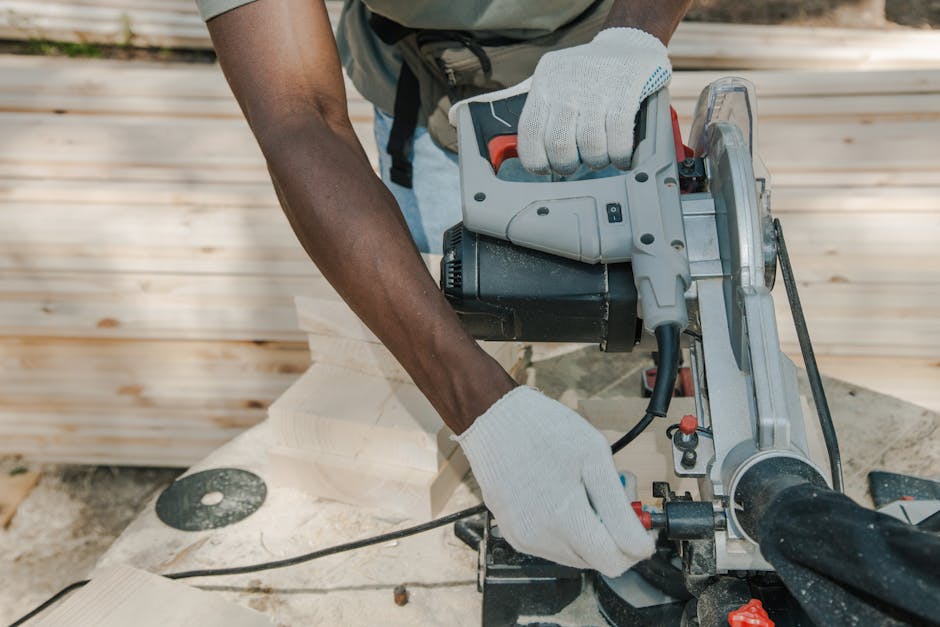
A circular saw is versatile and portable, making it excellent for ripping and crosscutting. Band saws are perfect for curved cuts and resawing. Jigsaws excel at detailed curved work and can cut through various materials. Table saws offer precision for repetitive cuts but require dedicated space.
Consider Your Needs
Before purchasing, think about what you'll primarily use the saw for. Are you building furniture, doing home repairs, or tackling garden projects? Your budget matters too—quality hand saws can last a lifetime with proper care, whilst power tools require more investment upfront but save time on larger projects.
Storage space is another practical consideration. Hand saws are compact and easy to store, whilst power saws need dedicated workshop space. Finally, consider the learning curve. Hand saws are forgiving and relatively safe, whilst power tools demand respect and proper training.
The best saw is one that matches your project requirements, skill level, and working space. Start with quality basics and expand your collection as your projects become more ambitious.