 Maintenance
Maintaining Your Saw: Cleaning, Sharpening, and Storage
Regular maintenance extends the life of your saws and ensures they perform at their best. A well-maintained saw makes cleaner cuts, requires less effort to use, and is safer to operate. Establishing a simple maintenance routine takes minimal time and prevents costly replacements.
Cleaning Your Saw
After each use, wipe your saw with a clean, dry cloth to remove dust and debris. For sticky residue from pine resin or glue, use a cloth slightly dampened with white spirit. Never use water on wooden handles as this can cause warping and damage. For power saws, always unplug before cleaning and use a soft brush to remove dust from vents and mechanisms. Never submerge electric tools in water.
Blade Sharpening
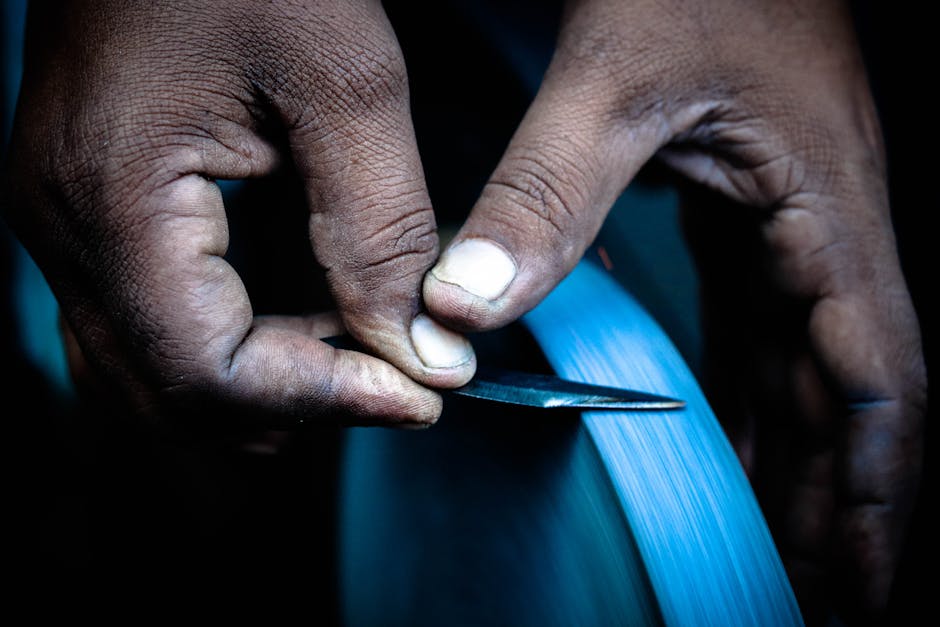
Sharp blades are safer and produce better results. Hand saw blades can be sharpened with a triangular file, following the angle of each tooth. This requires practice and patience, so many people prefer using professional sharpening services, which is cost-effective and ensures proper angles. Power saw blades should generally be professionally sharpened or replaced, as they're harder to sharpen correctly and may have special coatings.
Handle and Frame Care
Wooden handles benefit from occasional treatment with linseed oil, which prevents drying and cracking. Check handles regularly for loose fixings and tighten as needed. Inspect metal frames and spines for rust spots and treat with a light machine oil. Metal parts should be kept dry and stored in a low-humidity environment.
Storage Best Practices
Store saws where they won't be damaged or cause injury. Wall-mounted racks or blade guards protect teeth and prevent accidents. Keep saws away from damp environments which cause rust. Store in a cool, dry location, ideally between 15-25°C. Avoid stacking heavy items on saws, and never leave them exposed on workbenches.
Seasonal Maintenance
Before winter storage, ensure all metal parts are clean and lightly oiled. Check for any damage that should be repaired during the off-season. Spring is a good time to have professional sharpening done before the busy season begins.
Investing time in maintenance pays dividends through improved performance and longevity, making your tools more enjoyable and reliable to use.