 Safety
Saw Safety: Essential Tips Every User Should Know
Saw safety should always be your top priority, whether you're using a hand saw or a powerful power tool. Many workshop accidents are preventable with proper knowledge and careful habits. Understanding how to use your saw safely protects you and ensures better-quality work.
Personal Protective Equipment
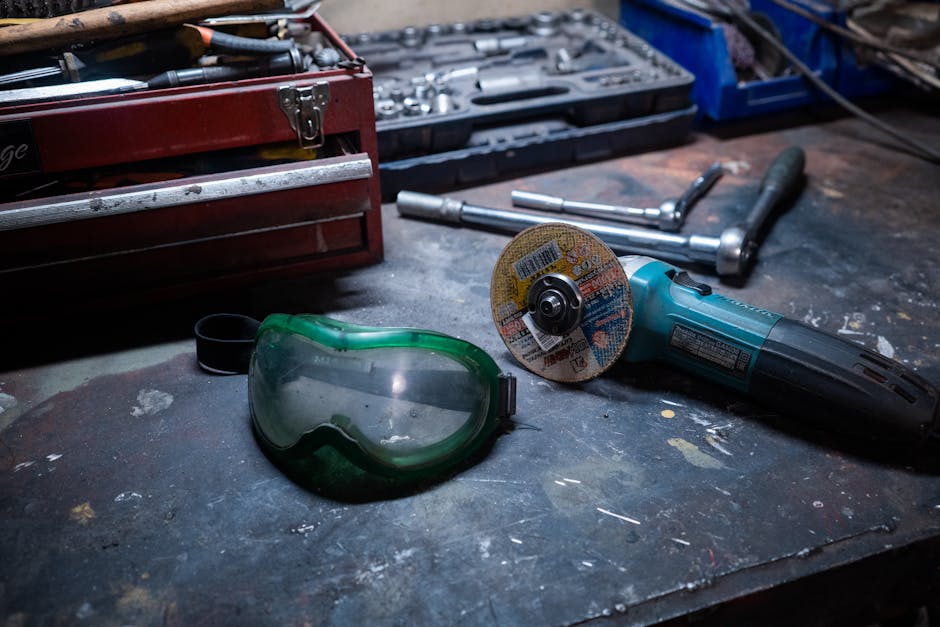
Always wear appropriate PPE when sawing. Safety glasses or goggles protect your eyes from flying debris and dust. Hearing protection is essential when using power saws, which can exceed safe noise levels. A dust mask or respirator prevents inhalation of wood particles and harmful dust, particularly when cutting materials like MDF or treated timber. Wear close-fitting clothes and tie back long hair—loose clothing can catch on moving parts.
Hand Saw Safety
When using hand saws, maintain a firm grip and stable stance. Always cut away from your body and keep your free hand behind the blade. Never rush cuts or force the saw through material. Let the tool do the work at its natural pace. Check your saw regularly for loose handles or damaged teeth, and keep blades sharp—dull saws require more pressure and are more likely to slip.
Power Saw Safety
Before starting any power tool, read the manufacturer's instructions thoroughly. Always wear a dust mask and hearing protection. Keep both hands on the tool and maintain a firm stance. Never reach over or under a running blade, and never remove material whilst the blade is moving. Wait for the blade to stop completely before setting the tool down.
Workspace Preparation
A tidy workspace prevents accidents. Remove clutter and ensure adequate lighting. Secure your workpiece firmly using clamps or a vice so it won't slip during cutting. Keep bystanders, especially children, away from your work area. Never operate saws when tired or distracted.
Maintenance and Storage
Keep your saws clean and well-maintained. Store them safely where they won't be knocked over or where children can access them. Regularly inspect for damage and replace worn parts. Keep blades sharp—they're safer and more effective than dull ones.
Taking time to work safely might seem slower initially, but it becomes habitual and protects you from serious injury. Your hands and eyes are irreplaceable, so treat them with respect.